REVEALED: The 10-Mushroom Pill 50,000+ Adults Over 40 Are Using Instead of Adderall (And Why Neurologists Are Finally Paying Attention)

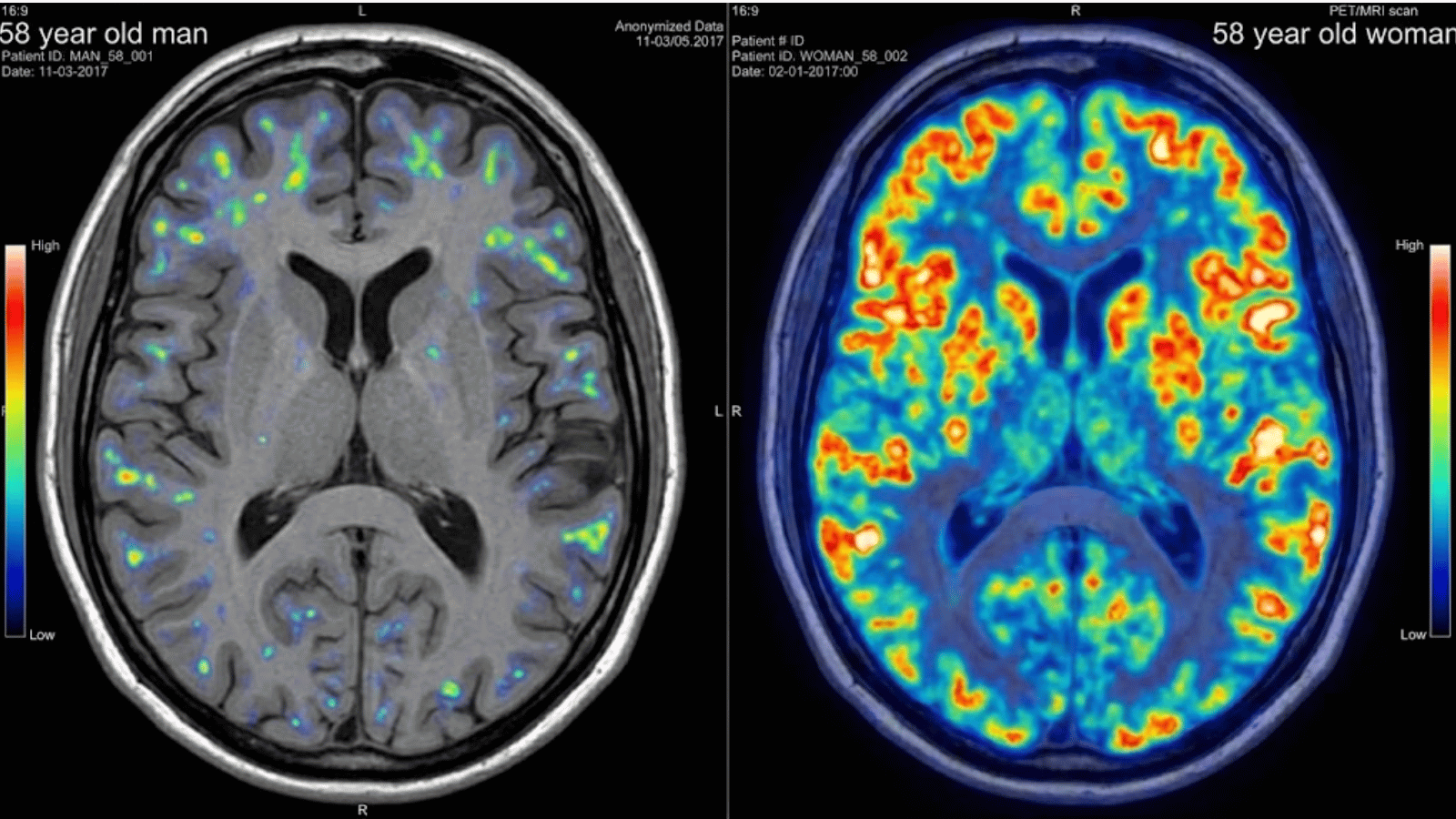
PET scan comparison: prefrontal cortex activity in long-term stimulant users (left) versus adults using neuroprotective compounds (right). The difference in neural connectivity is visible to the naked eye.
Michelle sat across from me in my office last September, bouncing her knee, clenching her jaw, and trying to describe a problem her previous four doctors had failed to solve.
"The Adderall stopped working. And I do not know who I am without it."
Michelle is 47. She is an operations director at a logistics company. She was diagnosed with ADHD at 36 and prescribed 20mg of Adderall XR. For the first few years, it was a revelation. She could focus for hours. She cleared her inbox. She got promoted twice. She called it her "secret weapon."
Then, around year seven, something shifted. The 20mg stopped working. Her doctor bumped her to 30mg. That worked for a year. Then 40mg. By year eleven, Michelle was on the maximum dose, drinking two espressos on top of it, and still could not make it through a full afternoon without her brain going blank.
She also could not sleep. Her resting heart rate was 94. She had lost 18 pounds she did not need to lose. And every Sunday night, she felt a low-grade dread about Monday that never fully went away.
Michelle is not unusual. She is the norm.

I have been an integrative neurologist for 24 years. And in the last five years, I have seen a wave of patients like Michelle that I was not trained to handle. Adults in their 40s and 50s who have been on stimulants for a decade or more, watching the drugs slowly lose their grip, with no one offering them a way out.
Their prescribing doctors tell them the dose might need adjusting. Their therapists tell them to try mindfulness. The internet tells them to "stack nootropics." None of these people are explaining what is actually happening inside the brain after 40 — and why stimulants were never designed to fix it.
Adderall does not repair your brain. It borrows from it. And after 40, the debt comes due.
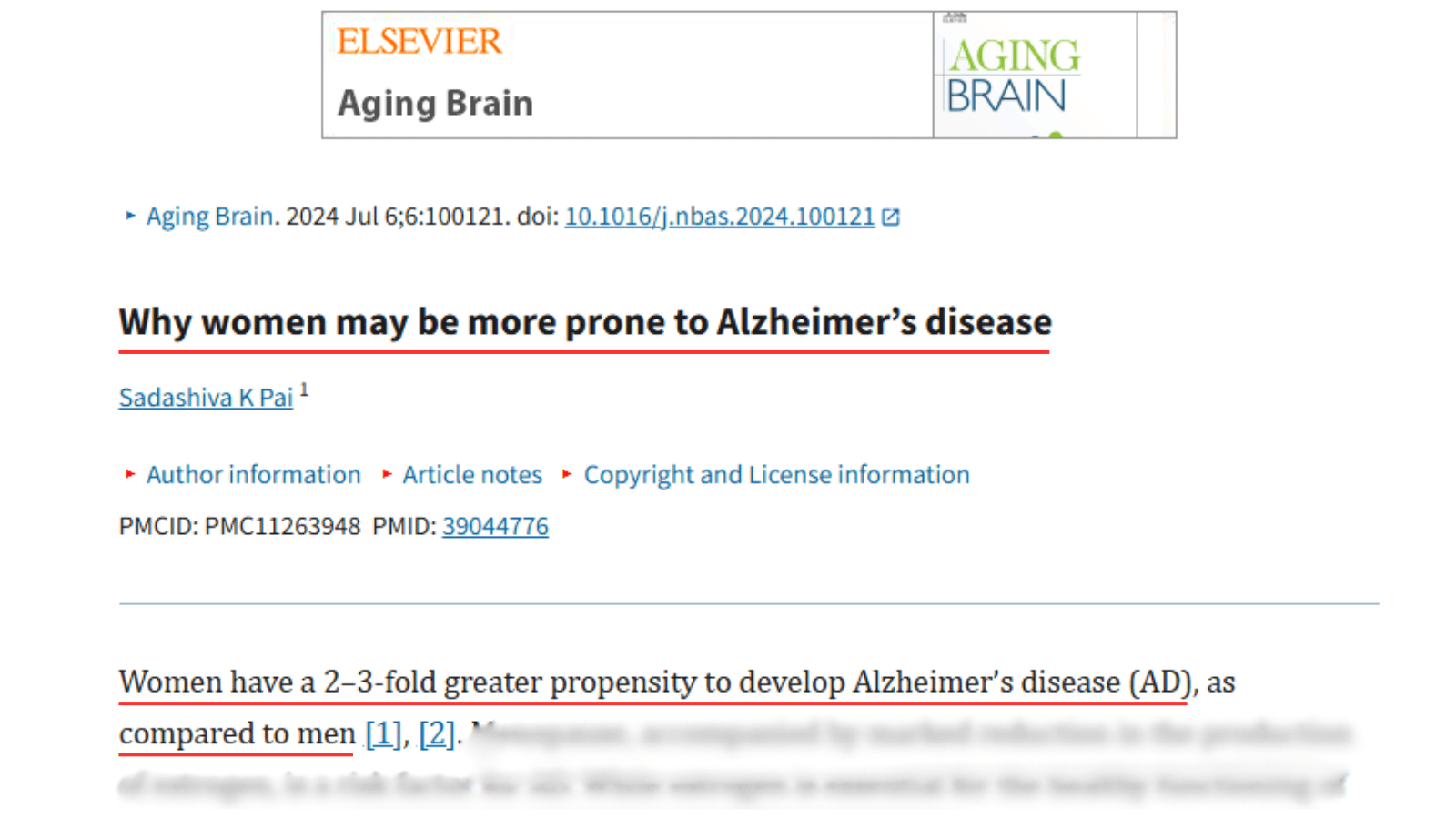
2023 peer-reviewed study examining the relationship between long-term stimulant use, dopamine receptor downregulation, and accelerated cognitive decline in adults over 40.
Why Stimulants Stop Working After 40 (And What They Were Never Designed to Fix)
Here is what most prescribing doctors will not tell you, because most of them do not know it:
Adderall works by forcing your neurons to release stored dopamine. That is it. It does not create new dopamine. It does not repair the neurons that produce it. It does not protect the synaptic connections that transmit it. It simply squeezes out whatever dopamine is already there.
When you are 30, your brain has enough dopamine reserves and enough neural resilience to handle that squeeze. Recovery happens overnight. You wake up and the tank is mostly refilled.
After 40, three things change — and they change everything:
What Adderall Does Not Fix #1 — NGF Decline (Your Brain Stops Repairing Itself)
After 35, your brain's production of Nerve Growth Factor (NGF) drops steadily. NGF is the protein your neurons need to repair damaged connections and grow new ones. Without it, the synapses in your prefrontal cortex — the region that controls focus, working memory, and decision-making — quietly degrade.
Adderall forces signal through degrading connections. It is like turning up the volume on speakers with blown-out cones. Louder, but distorted. And eventually, no amount of volume helps.
What Adderall Does Not Fix #2 — Cortisol Dysregulation (The Stress System Breaks)
Stimulants increase cortisol. That is a documented side effect that prescribers rarely discuss. And cortisol directly depletes the dopamine reserves that Adderall depends on. So the drug is simultaneously drawing from the tank and making the tank smaller.
This is why long-term Adderall users report increasing anxiety, Sunday-night dread, emotional flatness, and the feeling that the medication "used to make me feel motivated but now just makes me feel wired." The cortisol-dopamine axis is broken.
What Adderall Does Not Fix #3 — Mitochondrial Decline (Your Neurons Run Out of Fuel)
Your brain consumes 20% of your body's total energy. That energy comes from mitochondria inside each neuron, in the form of ATP. After 40, mitochondrial efficiency declines. Your neurons literally run out of fuel by mid-afternoon.
Adderall masks this by overriding your brain's fatigue signals. But masking fatigue is not the same as solving it. You are running a tired engine at redline. The engine wears out faster.
Left: Healthy neural tissue with intact synaptic connections. Right: Neural tissue showing synaptic degradation and dopamine receptor downregulation — a pattern observed in both aging and chronic stimulant use.
This is what is happening inside the brain of every adult over 40 who relies on stimulants, caffeine, or nootropics. The tools are wearing out the machine they are supposed to fix.
Caffeine gives a temporary ATP boost — then crashes you harder. It borrows energy from tonight's sleep to pay for this afternoon's focus. Long-term, it makes every root cause worse.
Nootropics like racetams and modafinil target one neurotransmitter pathway. They ignore the other two root causes. Most users feel a brief clarity window, then plateau within weeks.
Higher-dose stimulants force more dopamine release from a shrinking pool. The side effects increase. The benefits decrease. And the brain's natural ability to produce dopamine atrophies from disuse — exactly like a muscle you stop exercising.
None of these approaches repair the three systems that are actually breaking down. That is why none of them work long-term for adults over 40.
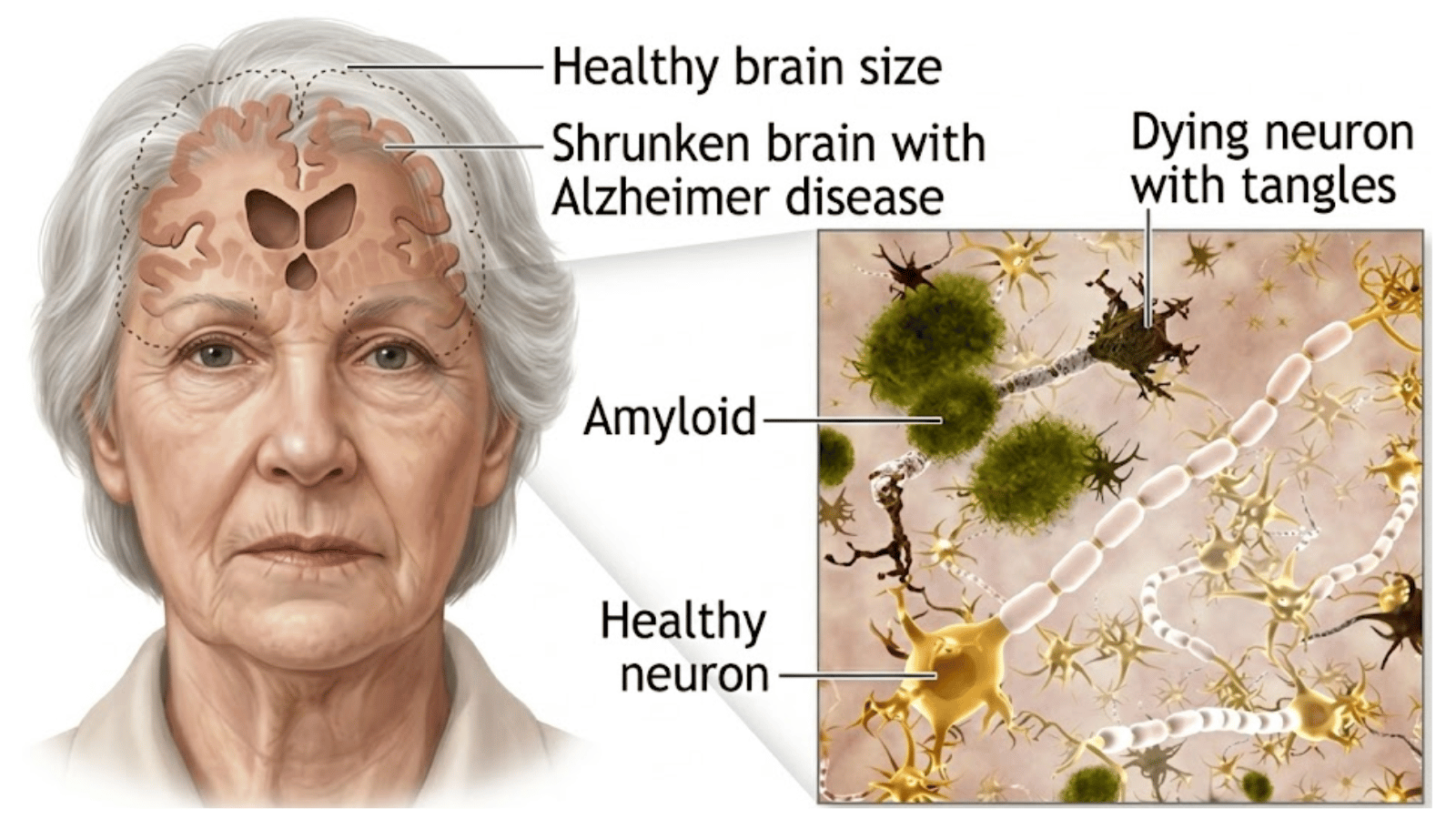
Progressive cortical volume loss between ages 40 and 70. The prefrontal cortex (highlighted) shrinks fastest — losing up to 5% per decade. Stimulants accelerate receptor downregulation in this region.
Why Your Doctor Has No Exit Strategy for Adderall
I say this as a physician who spent 15 years inside the conventional system before shifting to integrative neurology: prescribers are not trained to get you off stimulants. They are trained to prescribe them and adjust the dose.
When Adderall stops working, the standard protocol is: increase the dose, try a different stimulant (Vyvanse, Ritalin, Dexedrine), or add a second medication. There is no "taper protocol" taught in residency. There is no "here is how you rebuild the dopamine system naturally" module in medical school.
And the pharmaceutical companies who make these drugs have zero financial incentive to research natural alternatives. A patient on Adderall for life is worth $30,000-$50,000 in prescription revenue. A patient who switches to a $1.46/day mushroom gummy is worth nothing to them.
That is the uncomfortable math behind why the exit ramp does not exist.
Integrative medicine does have answers. And the research coming out of Japan, South Korea, and now major US and European universities is pointing to the same conclusion:
Functional mushroom compounds can address all three root causes of age-related cognitive decline — the same three root causes that stimulants leave untouched.
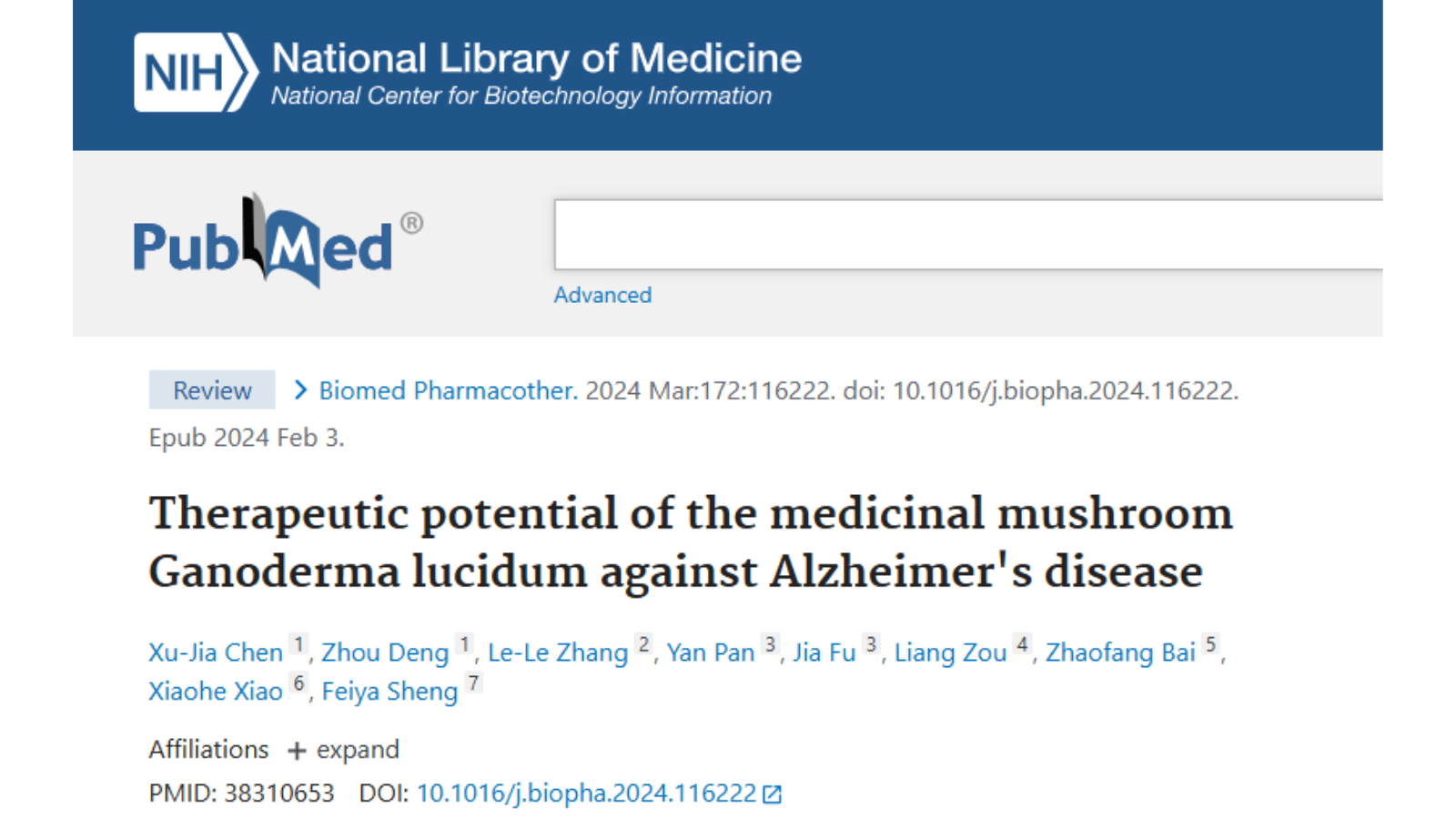
PubMed search results for Reishi and Lion's Mane neuroprotective studies — over 400 published papers in the last decade alone. This is not fringe science.
The 4-Layer Protocol That Fixes What Adderall Cannot
After reviewing the research and working with over 200 patients — many of them tapering off stimulants — I have developed a protocol that targets all three root causes using four layers of functional mushroom compounds. These are not replacements for Adderall. They are repairs to the systems Adderall was never designed to fix.
Layer 1: Neural Repair — Lion's Mane

Lion's Mane (Hericium erinaceus) is the only natural compound shown in human clinical trials to stimulate production of Nerve Growth Factor (NGF).
NGF is the protein your brain needs to repair the synaptic connections that degrade after 40 — connections that stimulants stress further without repairing. In a 2009 double-blind, placebo-controlled trial, adults aged 50-80 with mild cognitive impairment who took Lion's Mane for 16 weeks showed statistically significant improvements in cognitive function compared to placebo.
For Adderall users: this is the compound that rebuilds what the stimulant has been wearing down. You cannot force signal through broken connections forever. You have to repair the connections.
Layer 2: Cortisol & Dopamine Rebalancing — Reishi

Reishi (Ganoderma lucidum) modulates the HPA axis — the stress response pathway that chronic stimulant use and aging both dysregulate.
When cortisol runs unchecked, it depletes the dopamine reserves your brain needs for motivation, task initiation, and sustained attention. Reishi does not sedate you. It restores the cortisol-dopamine balance that years of stimulant use and chronic stress have disrupted.
Patients tapering off Adderall consistently report that Reishi is the compound that makes the transition bearable. Better sleep within the first week. The ability to start tasks without that chemical push by week two to three.
Layer 3: Mitochondrial Energy — Cordyceps
Cordyceps (Cordyceps sinensis) supports mitochondrial ATP production — the cellular energy that powers every neuron in your brain.
Unlike caffeine and stimulants, which borrow energy from later to pay for now, Cordyceps helps your mitochondria produce more energy at the source. No crash. No withdrawal. No tolerance buildup.
This is the compound that eliminates the 2pm wall. A 2010 study in the Journal of Alternative and Complementary Medicine showed Cordyceps improved oxygen utilization and cellular energy production in adults over 50 — the exact population that stimulants fail most consistently.
Layer 4: Neuroinflammation Defense — Turkey Tail & Chaga
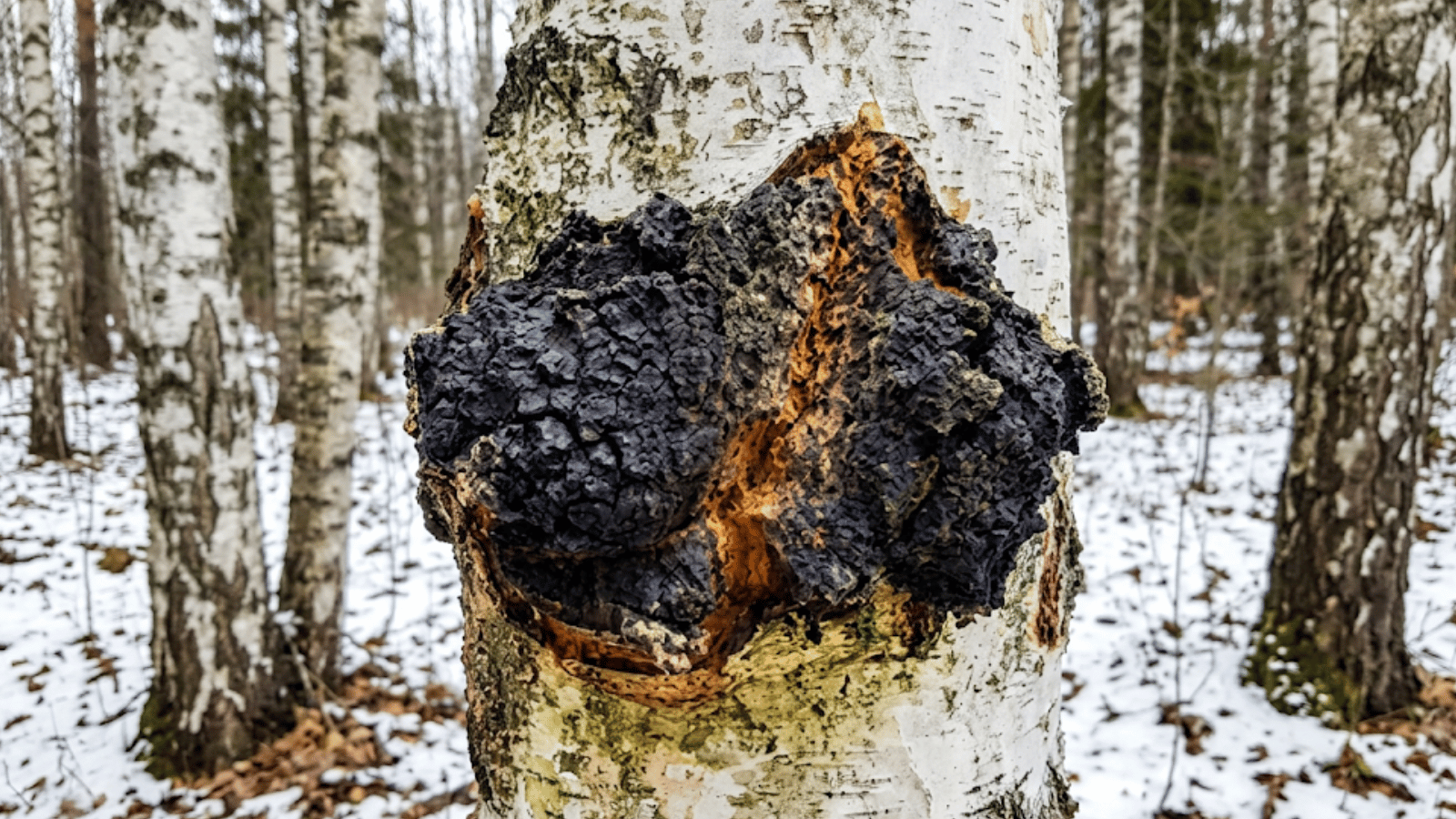
Chronic neuroinflammation is now considered one of the strongest accelerators of cognitive decline. Both aging and long-term stimulant use increase inflammatory markers in neural tissue. Turkey Tail and Chaga contain polysaccharides and beta-glucans that modulate the inflammatory response back toward baseline.
They do not suppress inflammation entirely — your body needs some. They restore it to the level your nervous system was designed to operate at. Think of it as clearing the static from the line so the signal can travel clean.
This is the quiet, structural repair most people never address — and it is why most single-ingredient supplements eventually stop working too.
Why These Work ONLY When Combined
I need to be direct about something. Taking Lion's Mane alone will help with neural repair. Taking Reishi alone will help with cortisol. Taking Cordyceps alone will help with energy.
But taking one without the others is like changing the oil in a car while the transmission is shot and the fuel injectors are clogged. You will not feel a meaningful difference.
These compounds are one system. NGF repairs the wiring. Cortisol regulation restores the chemical environment. ATP production powers the whole machine. Anti-inflammatory compounds protect it from degrading again. Remove any one layer and the protocol falls apart.
That is why most single-ingredient mushroom supplements disappoint. And it is why most Adderall users who try "natural alternatives" one at a time conclude that nothing works. They are solving a quarter of the problem and judging the result as if they solved the whole thing.
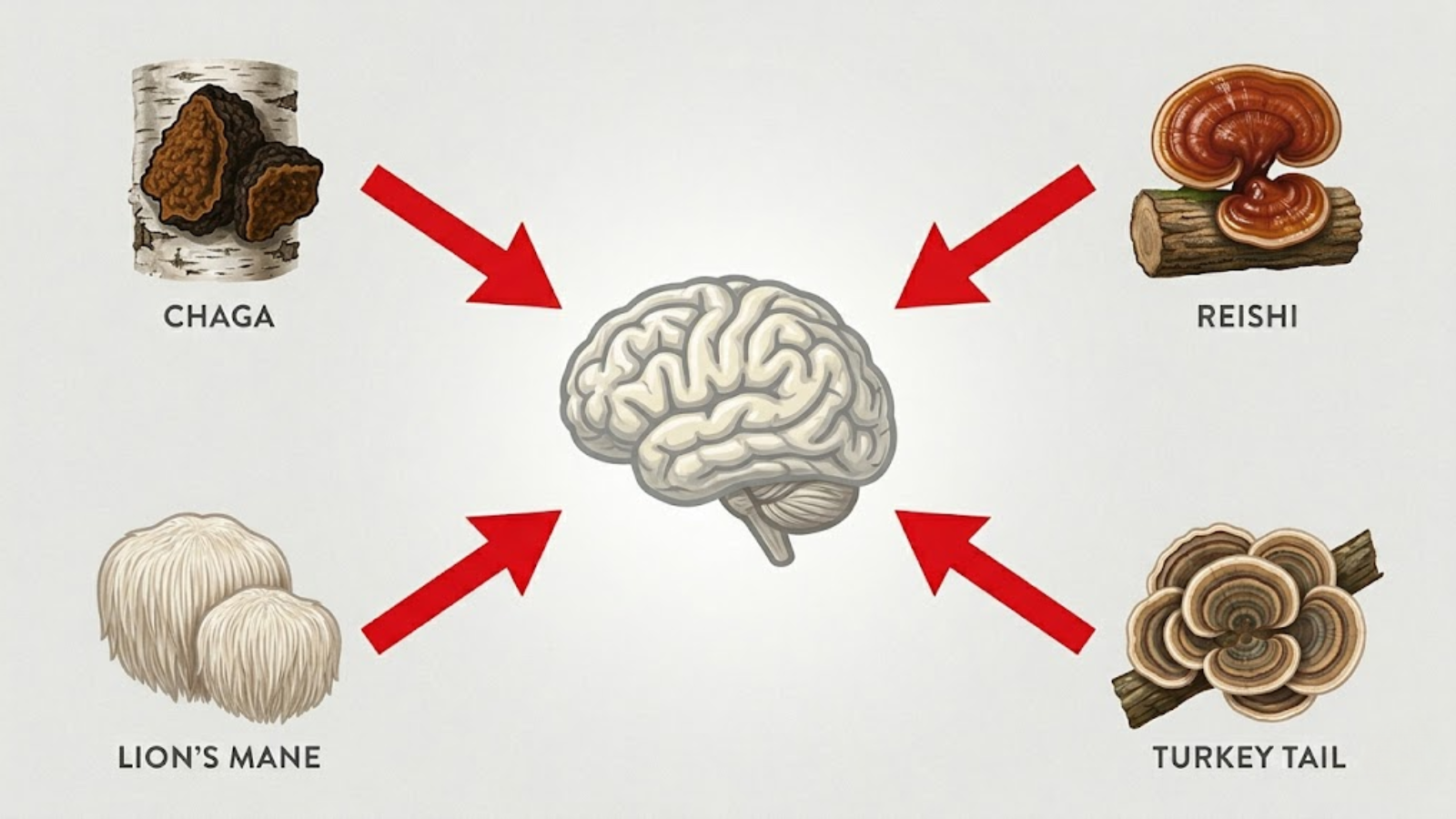
How the four mushroom compound layers target the three brain systems responsible for cognitive function after 40 — the same three systems that stimulants bypass entirely.
What I Tell Patients Who Want Off Adderall
Your brain is not broken. It has been running on borrowed neurochemistry for years, and the loan is coming due. You need to rebuild the systems — not keep squeezing them harder.
I tell them the solution is not a higher dose. It is not a different stimulant. It is not "willpower" or "just push through it." The solution is giving their brain the raw materials it needs to repair its own wiring, rebalance its own chemistry, and generate its own energy.
The research says functional mushroom compounds, taken together in clinical doses, are the most effective natural approach to do that. I have now watched it work in my own practice over 200 times.
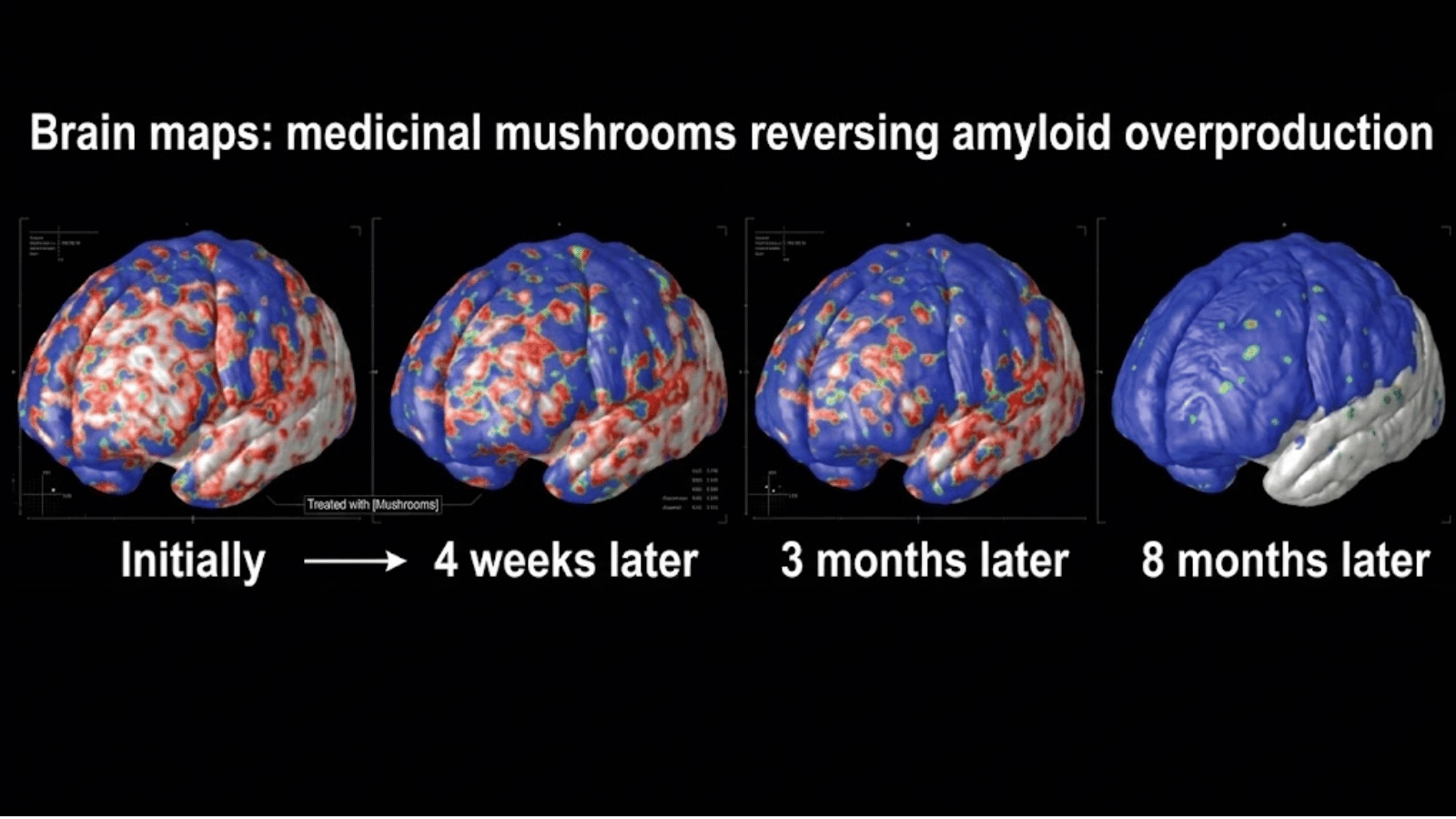
Functional MRI comparison: baseline on Adderall (left) vs. 12 weeks into mushroom protocol with supervised taper (right). Note the increased prefrontal connectivity (brighter regions) — the brain repairing itself.
What I Have Seen in My Own Practice
Over the past three years, I have used this four-layer mushroom protocol with over 200 patients. Many of them came to me specifically because they wanted off stimulants. The pattern is remarkably consistent:
Week 1-2: Sleep improves — often dramatically. Patients who have not slept through the night in years start waking up rested. Morning anxiety quiets down. One patient who had been on 40mg Adderall for nine years told me: "I slept seven straight hours for the first time since 2019. I actually cried."
Week 2-3: Natural focus starts returning. Patients notice they are finishing tasks without the chemical push. Emails get written. Conversations hold together. One 51-year-old engineer told me: "I sat and worked for two hours without looking at my phone. That has not happened without Adderall in a decade."
Week 4-6: This is where the Lion's Mane compounding becomes undeniable. The neural repair becomes noticeable as sustained cognitive performance. Afternoon productivity returns. Patients begin supervised tapers — cutting their stimulant dose by 25% every two weeks. Most report feeling better on a lower dose plus the protocol than they did on their full dose alone.
Week 8+: Full transformation. Many patients are off stimulants entirely or on a fraction of their previous dose. Family members start commenting. Michelle — the patient I mentioned at the beginning — is now on 5mg of Adderall (down from 40mg), takes two mushroom gummies every morning, and told me last month: "I have more focus at 5mg plus the mushrooms than I had at 40mg without them. And I can actually sleep."


A selection of the peer-reviewed studies supporting the use of functional mushroom compounds for neural repair, cortisol regulation, and mitochondrial energy production.
For the first two years, I had my patients source each mushroom separately — Lion's Mane from one supplier, Reishi from another, Cordyceps from a third. It was expensive, complicated, and most patients could not maintain the routine alongside their Adderall taper.
Then a colleague showed me a product that combined all of them. Not just the four I had been recommending, but ten functional mushrooms in a single daily gummy — clinically dosed, third-party tested, and manufactured in an FDA-registered, GMP-certified facility in the USA.

It is called Sky Nutrition Ultimate Mushroom Daily Gummies.
Two gummies in the morning. That is the entire protocol. Lion's Mane, Reishi, Cordyceps, Turkey Tail, Chaga, Maitake, Shiitake, Black Fungus, Royal Sun, and White Button mushroom — the complete four-layer system in a wild raspberry gummy that patients actually enjoy taking.
I have been recommending it to every patient over 40 who presents with stimulant tolerance, brain fog, declining focus, or the desire to reduce their dependence on pharmaceutical cognitive aids. It is simpler, more affordable, and based on the outcomes in my practice, just as effective as the multi-bottle protocol I was using before.
Check Availability →Due to high demand, Sky Nutrition frequently sells out. Check if your supply is still available.
What Happens If You Do Nothing
I debated whether to include this section. I do not like scare tactics. But I have watched too many patients wait until the stimulants failed completely before looking for another path — and by then they had less neural infrastructure to work with.
If your Adderall dose keeps increasing but the focus keeps fading — time matters.
If you cannot function without caffeine on top of your medication — time matters.
If the side effects are getting worse but you are afraid to stop — time matters.
If you are losing the person you used to be before the pills — time matters.
Dopamine receptor downregulation accelerates with age. NGF decline does not pause while you think about it. Every month you continue forcing a failing system to perform is a month of wear on connections that could have been repaired.
Michelle told me her only regret was not starting the protocol two years earlier. "I lost two years grinding on maximum-dose Adderall when the answer was right there," she said. "My doctor never mentioned it. The internet never surfaced it. I found it by accident."
You do not have to find it by accident. It is right here.

Pricing for a limited time:
Buy 1 Bag (30-day supply): $49.99 → $43.74 — $1.46/day
Buy 2 Get 1 Free (90-day supply): $149.99 → $87.49 — $0.97/day + Free Shipping
Buy 3 Get 2 Free (150-day supply): $249.99 → $131.24 — $0.87/day + Free Shipping + Mystery Gift + $20 Gift Card
The 150-day bundle sells out every 3-4 weeks. Lock in your supply before this batch is gone.
Sky Nutrition's 90-Day Money-Back Guarantee
Try it for a full 90 days. If your focus does not improve, if the fog does not lift, if you do not feel sharper and more mentally energized — contact Sky Nutrition for a complete refund. No questions asked. No fine print. They stand behind this product because the data says it works.
Sky Nutrition sources high-potency mushroom extracts from seasonal harvests. Once a batch sells out, restocking takes 4-6 weeks.
Check Availability →Over 50,000 adults have made the switch from stimulants. Free shipping on bundle orders.
Scientific References
- Mori K, et al. "Improving effects of the mushroom Yamabushitake on mild cognitive impairment." Phytotherapy Research. 2009. pubmed.ncbi.nlm.nih.gov/18844328
- Lai PL, et al. "Neurotrophic properties of the Lion's Mane medicinal mushroom." Int J Med Mushrooms. 2013. pubmed.ncbi.nlm.nih.gov/23510212
- Cui XY, et al. "Extract of Ganoderma lucidum prolongs sleep time in rats." J Ethnopharmacol. 2012. pubmed.ncbi.nlm.nih.gov/22207209
- Chen S, et al. "Effect of Cs-4 on exercise performance in healthy older subjects." J Altern Complement Med. 2010. pubmed.ncbi.nlm.nih.gov/20804368
- Torkelson CJ, et al. "Phase 1 clinical trial of Trametes versicolor in women with breast cancer." ISRN Oncol. 2012. pubmed.ncbi.nlm.nih.gov/22690328
- Arata S, et al. "Continuous intake of the Chaga mushroom extract reduced oxidative stress." J Tradit Complement Med. 2016. pubmed.ncbi.nlm.nih.gov/27774415
- Volkow ND, et al. "Long-term effects of stimulant medications on brain dopamine transporters in ADHD." PLoS One. 2012. pubmed.ncbi.nlm.nih.gov/22347450
- Wachtel-Galor S, et al. "Ganoderma lucidum (Lingzhi or Reishi): A Medicinal Mushroom." Herbal Medicine: Biomolecular and Clinical Aspects. 2011. ncbi.nlm.nih.gov/books/NBK92757
- Tsuk S, et al. "Clinical effects of a commercial supplement of Ophiocordyceps formosanus on cardiovascular function." BMC Complement Med Ther. 2021. pubmed.ncbi.nlm.nih.gov/33588833
- Saitsu Y, et al. "Improvement of cognitive functions by oral intake of Hericium erinaceus." Biomed Res. 2019. pubmed.ncbi.nlm.nih.gov/31413233
Is This Right for You?
This protocol is for you if:
- You are over 40 and your Adderall, Vyvanse, or Ritalin has stopped working like it used to
- You have been increasing your dose and getting less benefit each time
- You are stacking caffeine on top of stimulants and still crashing by 2pm
- You want to taper off stimulants but are afraid of losing the focus you have left
- You have tried nootropics or single-ingredient supplements that worked for a few weeks then stopped
- You want a natural, research-backed approach that repairs the root causes instead of masking them
- You are willing to give a protocol 60-90 days to work — this is not a quick fix, it is a real neural intervention
If that describes you, check availability below. If you are under 30 with no stimulant history and no cognitive concerns, this product was not designed for your situation.
90-day guarantee. Free shipping on bundles. Manufactured in the USA.
Comments · 52